

Why Is Exercise So Important for People With Parkinson’s?
If you’re like me, you’ve probably been told your entire life that exercise is important. So, it can be easy to brush off claims that “movement is medicine for people with Parkinson’s” as obvious, conventional wisdom. But, beyond the many ways that exercise is valuable for all people, a growing body of evidence confirms that exercise is especially, life-alteringly crucial for people living with Parkinson’s. So, why is it so important for people with Parkinson’s to prioritize exercise?
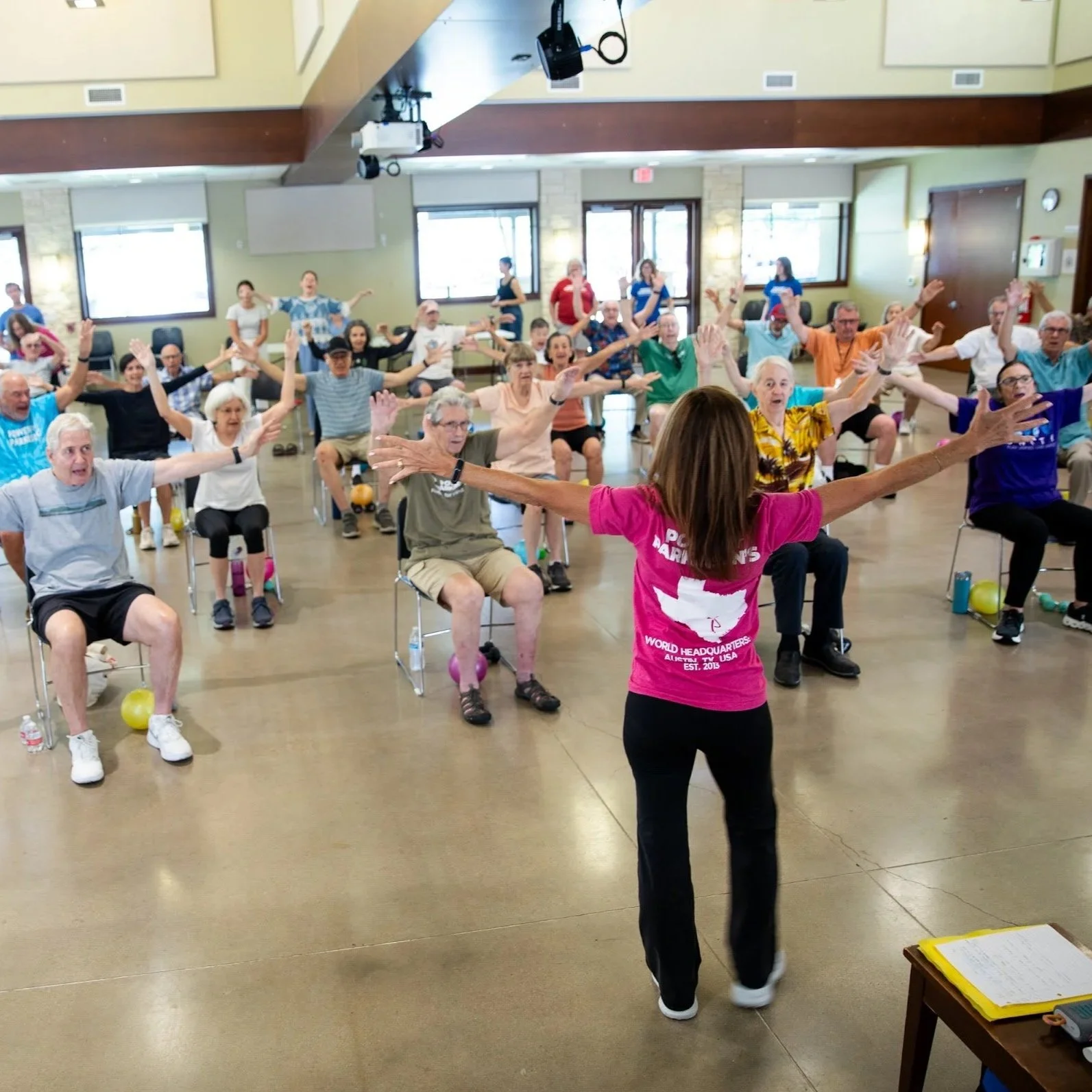
First of all, high-intensity exercise may reverse neurodegeneration from Parkinson’s.
In 2024, a small study using brain imaging demonstrated that high-intensity exercise preserved the dopamine-producing neurons of participants with Parkinson’s and, after 6 months, even made them healthier. This suggests that exercise can help protect your brain from the neurodegenerative effects of Parkinson’s. Reduced neurodegeneration could mean improved symptoms and a better quality of life, which brings me to my next point.
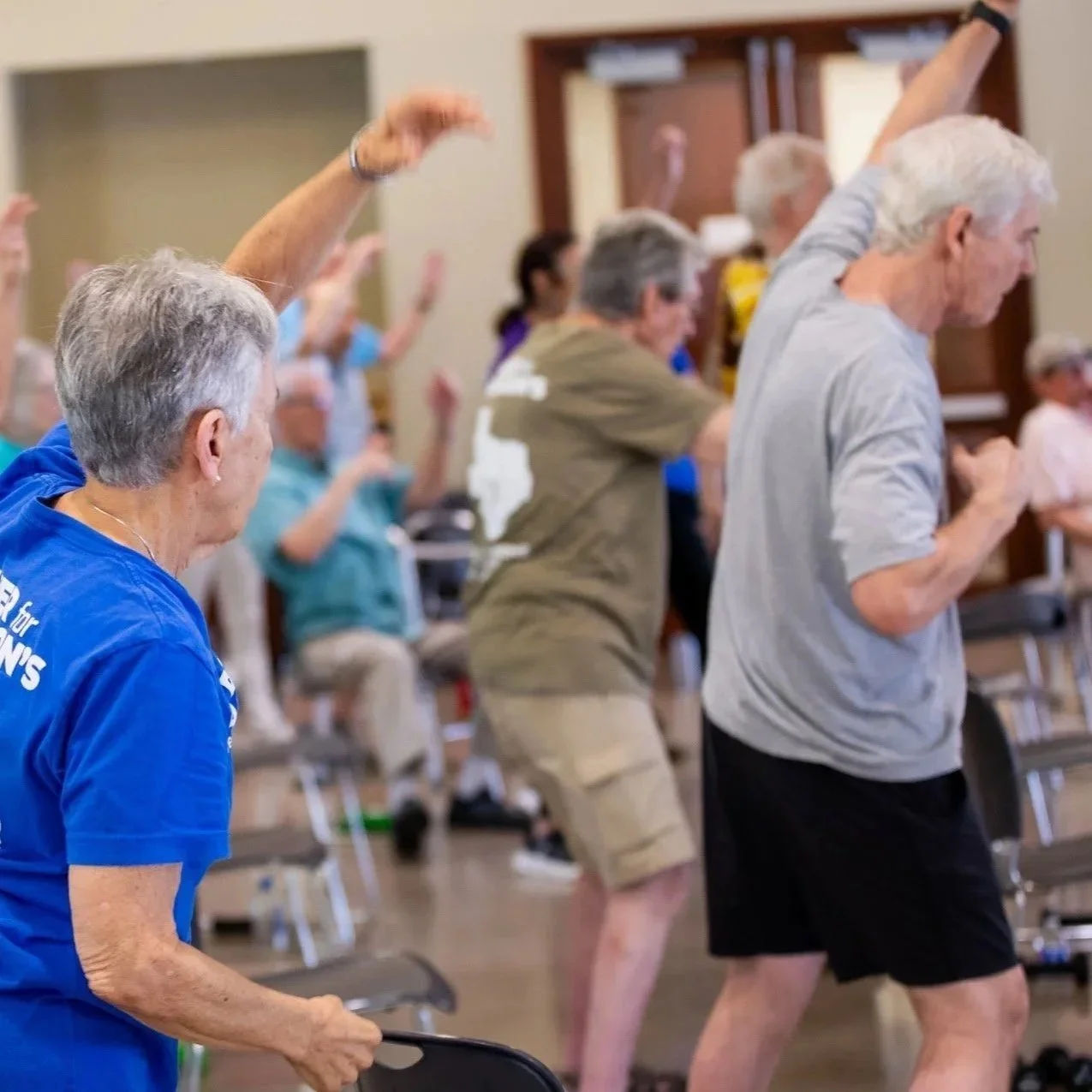
Exercise can slow and even reverse the progression of Parkinson’s symptoms.
A number of studies have shown that exercise can improve the motor symptoms of Parkinson’s, such as tremors, stiffness, and changes in posture, balance, and gait. In 2022, a study of 237 people with Parkinson’s found that regular physical activity leads to better long-term outcomes, including slower declines in gait, stability, processing speed, and daily living activities. Exercise may also relieve the non-motor symptoms of Parkinson’s, such as depression, fatigue, anxiety, constipation, and trouble sleeping.
All of this incredible research affirms something that we have known anecdotally for many years at Power for Parkinson’s. After 13 years of providing free exercise classes for people with Parkinson’s in our community, we’ve seen time and time again how impactful exercise can be. In fact, many participants leave classes feeling stronger and better than when they arrived.
Exercise can also reduce the risk of injury and falling.
Parkinson’s can affect walking, balance, and posture, which, unfortunately, can lead to falls and injuries. However, exercises that focus on balance, gait, and strength can help lower your risk of falling.
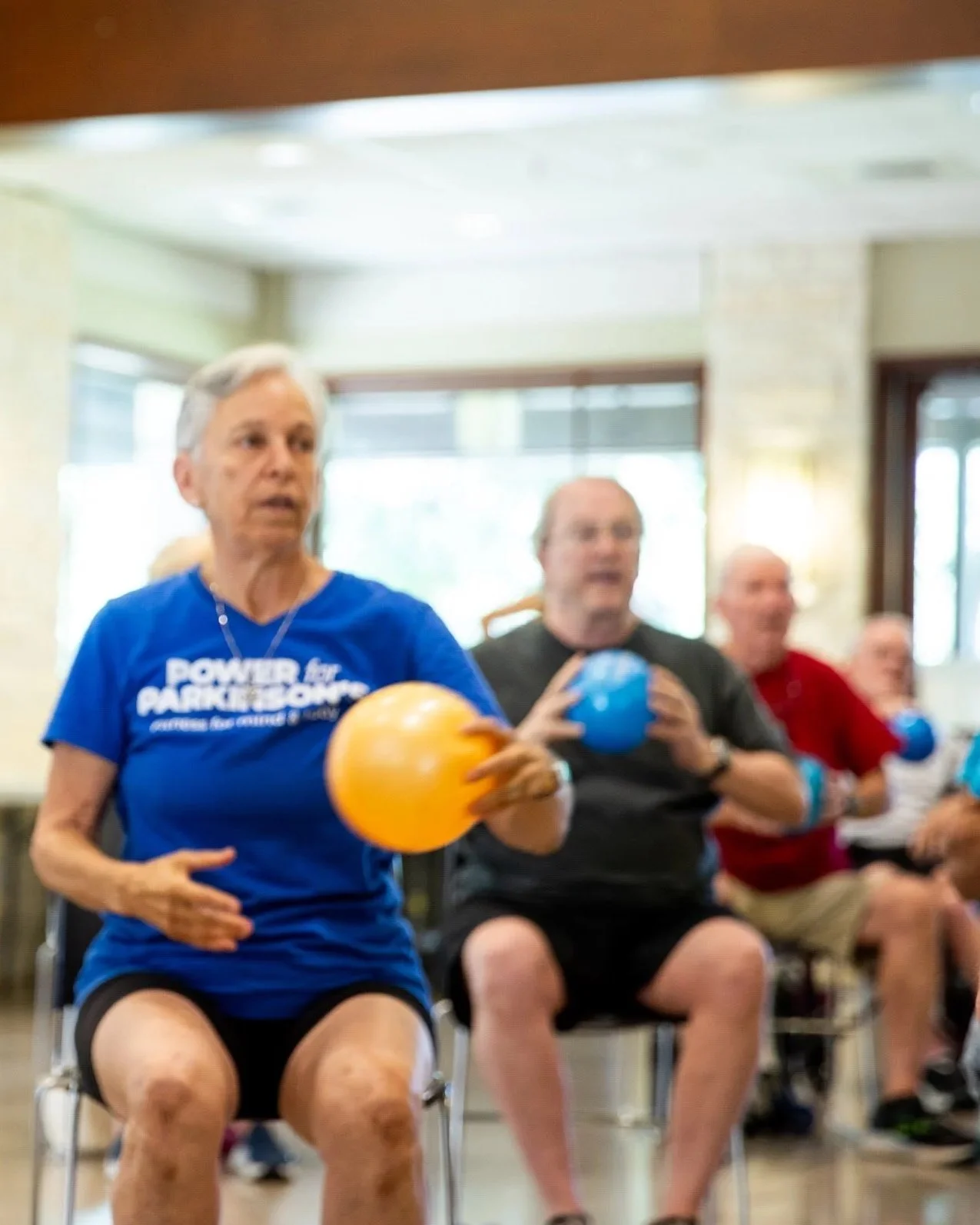
Beyond the physical benefits of exercise, it can also prevent isolation.
It’s common for people impacted by Parkinson’s to become isolated. This can be due to a number of challenges: mobility, transportation, stigma, apathy, depression, you name it. Attending local group exercise classes or even tuning in to a virtual workout is a great way to connect with others.
Attending Parkinson’s-specific classes can be especially impactful. Not only are you getting a tailored workout, but you are also meeting people who can offer understanding, advice, and support.
How to start exercising
It’s never too late or too soon to start exercising! Power for Parkinson’s offers thousands of Parkinson’s symptom-focused exercise classes that you can do anytime, anywhere, for free on YouTube. We have classes for all fitness and mobility levels.
Attending in-person group fitness classes can also be hugely beneficial. Power for Parkinson’s offers free classes in Austin, Round Rock, Georgetown, Lakeway, and Spicewood, TX.
If you’re not located in the Austin area, don’t worry! There may be other classes for people with Parkinson’s in your area. Dance for PD, Pedaling for Parkinson’s, and Rock Steady Boxing are a few exercise programs that are offered worldwide. You can also reach out to local Parkinson’s non-profits or providers and ask them about exercise classes near you.
Walking, dancing, biking, yoga, tai chi, and water aerobics are other great ways to get moving. If you need any help at all starting your exercise journey, reach out! We have eight AMAZING fitness instructors on our team chomping at the bit to chat about exercise.
