Help sustain our free programming for people with Parkinson’s throughout the year!
Become a Dopamine Driver!
What if a monthly subscription could change lives?
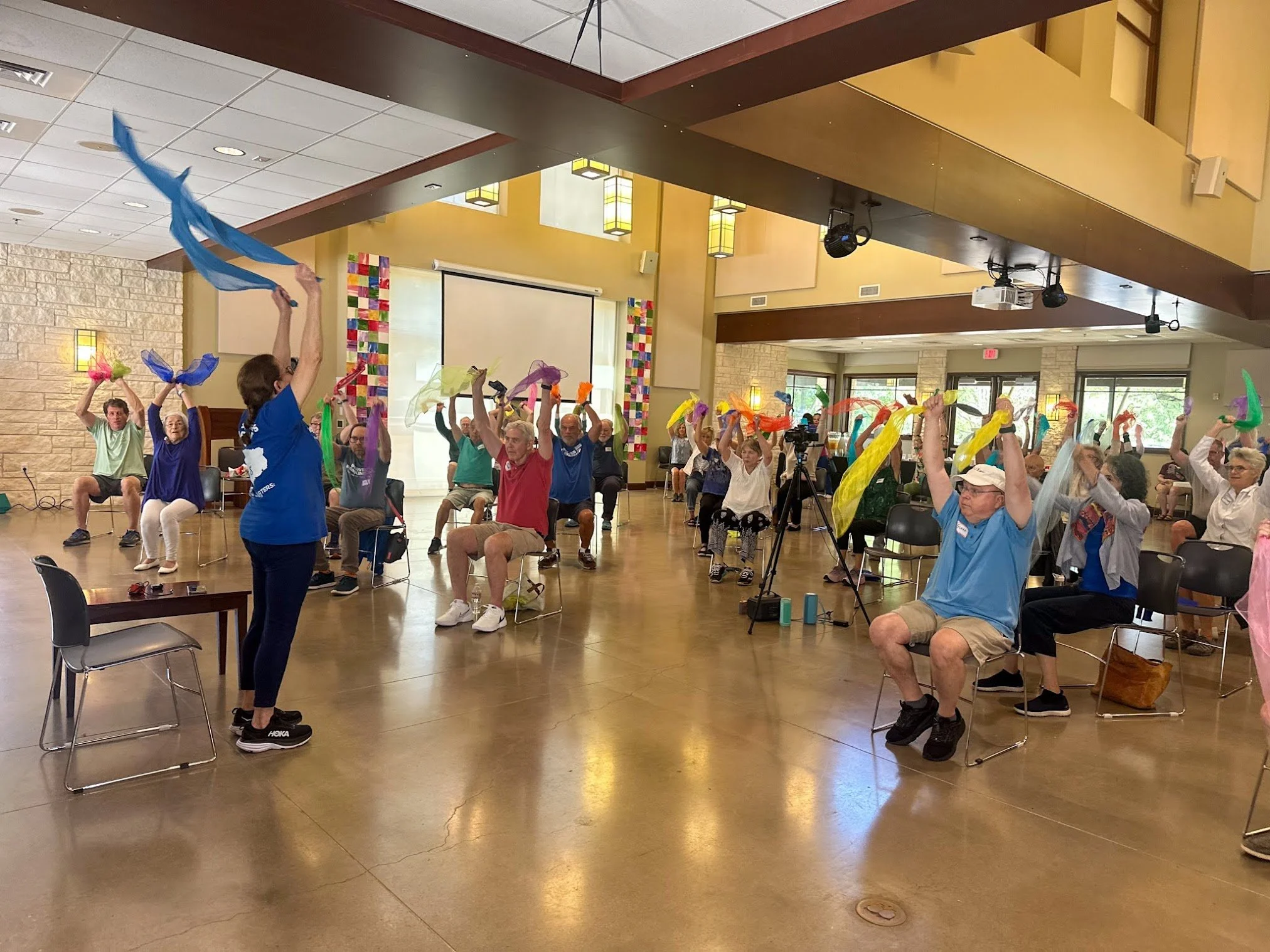
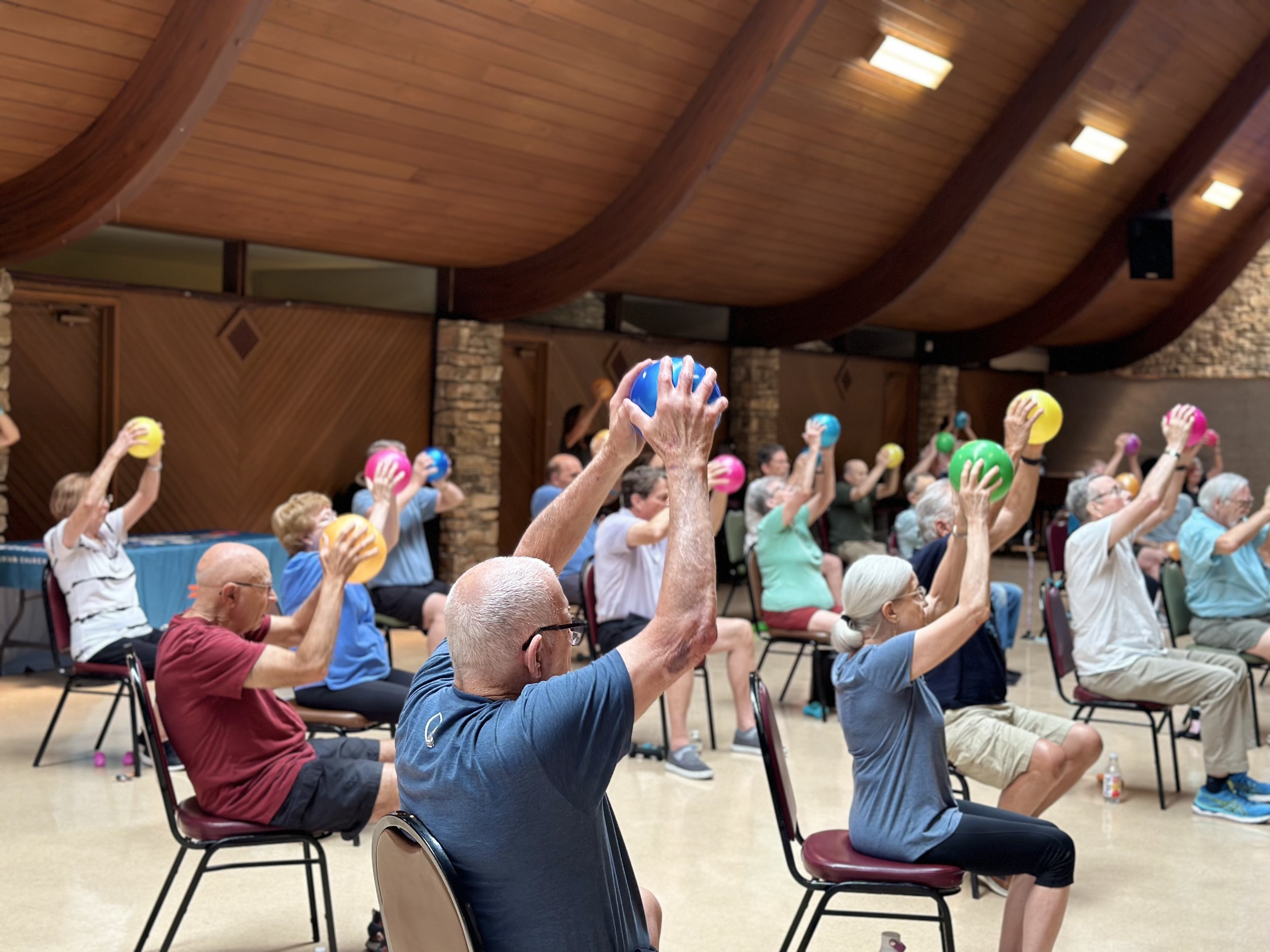
PFP’s Dopamine Drivers make a commitment to support Power for Parkinson’s on a monthly basis to empower people with Parkinson’s to live their best lives by staying active and healthy. Movement is medicine, and your monthly support helps our participants get their daily dose of exercise. To become a monthly donor, click on the button below! For a limited time only, all those who sign up to be monthly donors will receive a unique gift!
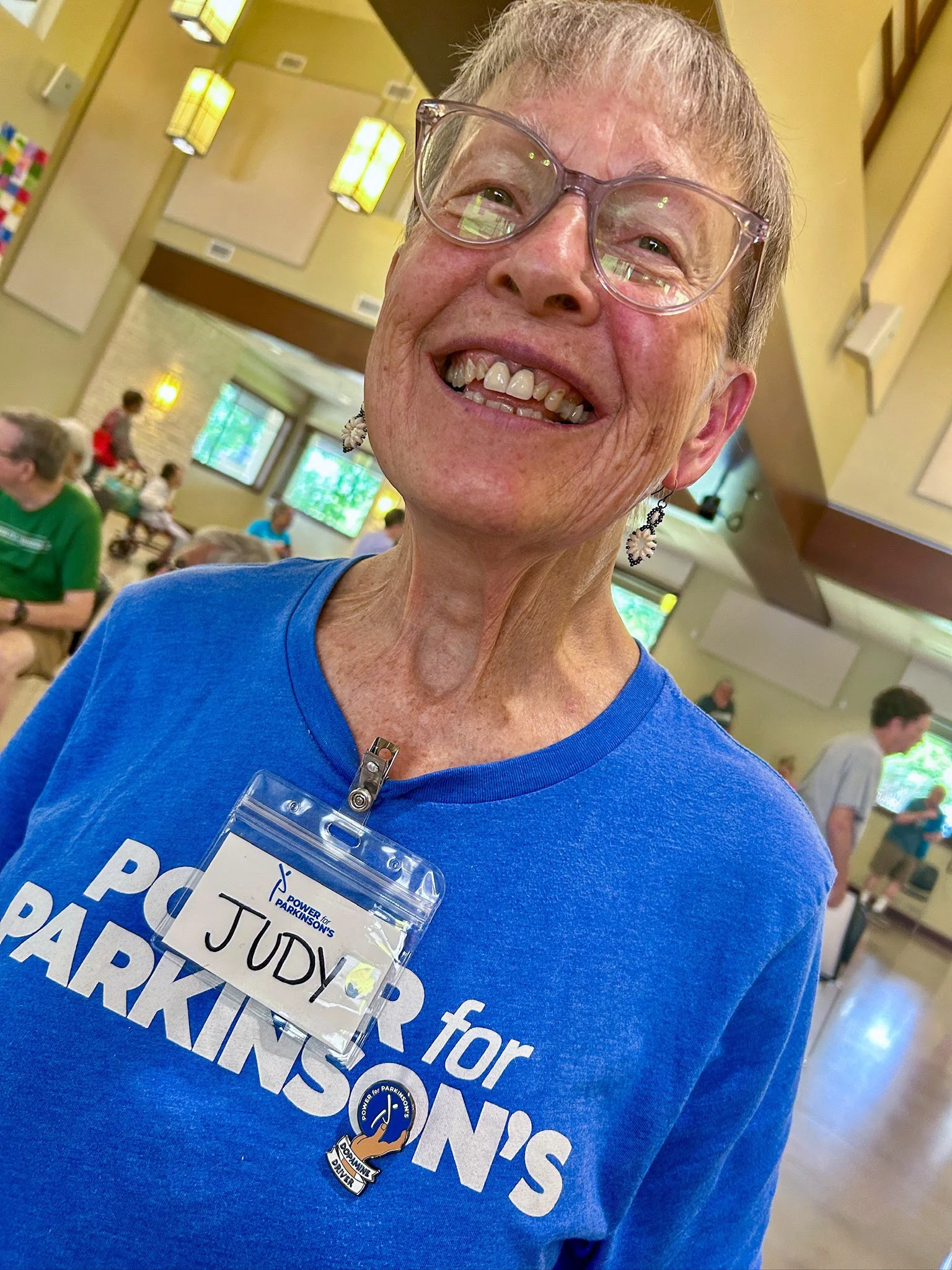
Dopamine Driver Spotlights
-
PFP: How did Power for Parkinson’s come into your life and why did you decide to be a monthly donor?
Judy Powell: I’ve had Parkinson’s for about three and half years now. When I was diagnosed, the doctor had some pamphlets in his office. I picked one up and went home and read about this program and I just felt this would be effective.
I realized that a program like this takes money. You’re not charged a fee to come and get this exercise and information. There was an option of making monthly donations and that appealed to me. I just thought “I want to support this. This is important to my life and all these people’s lives.”
PFP: Has exercise always been a part of your life?
Judy Powell: Oh yes. I ran marathons, I raced bikes, I climbed mountains when we lived in Oregon. I climbed Mount Shasta and a group of us even slept up there. So I’ve been very active.
PFP: What do you like about the group exercise aspect of PFP?
Judy Powell: I enjoy the community and I think it’s really important to all of us. We’re a social animal, we need our community. As soon as you come in to Power for Parkinson’s and start interacting, you’re part of the community. Then our support groups are a part of that too. I often come out of there thinking “I’m glad I didn’t miss this one,” because information comes out that you don’t know and you might not find out if you miss the support group.
Having Parkinson’s shocks you – you’re living your life and then suddenly everything’s changing. So it’s nice to be with others who are all trying to do our best. I believe exercise is so important to Parkinson’s. On the days I have to do something and I can’t exercise, I can tell the difference.
So I want to support all that. And that’s why I make a monthly donation and then anytime we’re doing a holiday thing, I try to make another donation specific to that.
-
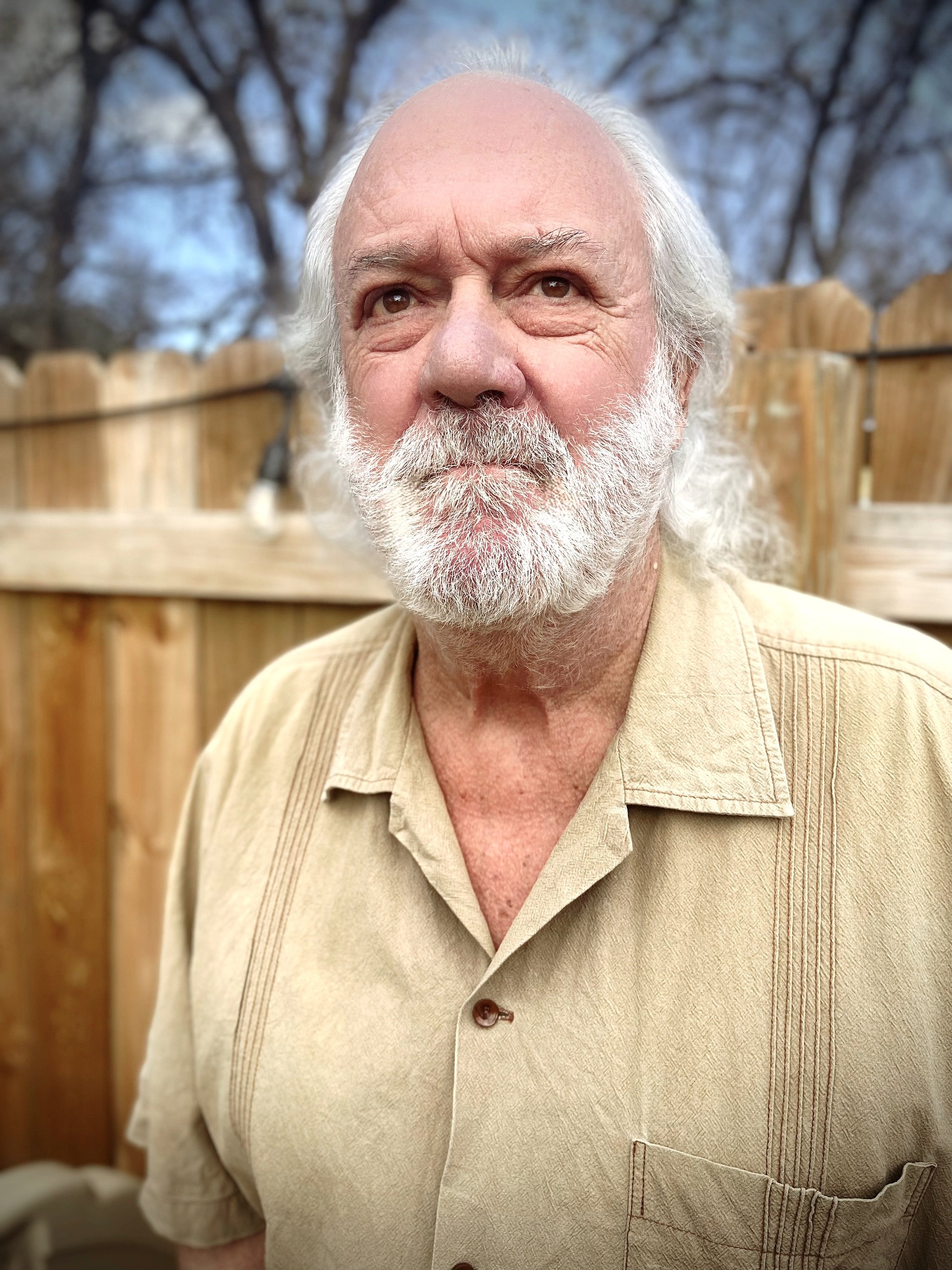
My father was only 50 when he began to experience the physical symptoms associated with Parkinson’s. He had been a family doctor in a rural community in Northern Michigan before becoming a VP at the National Association of Community Health Centers, based in Washington DC. His journey over the last two decades has also been a journey for our entire family – and one that inspires and informs the work I do today. I’ve been inspired by the dedication he’s put into managing his condition, including exercising over an hour a day.
So when I was back home last month, I asked my dad to sit down with me for an interview. Typically, he was profound and filled with emotion as he discussed being diagnosed with PD, what he does to manage it, the importance of being socially engaged, and why he donates to PFP. You can watch the full nine minute conversation here and I’ve excerpted a few passages below.
PFP: What if you had never made any commitment to exercise or movement? If you’d just said “This is a drag. I’m going to take it easy,” where do you think you’d be today?
Tom Curtin: Honestly and bluntly, I think I’d be dead. I mean, I’ve had it for 20 years and there have been opportunities I could have quit. It’s not easy. It’s chronic, it’s work. People say you get depressed. I don’t get depressed – I get pissed off. I get angry, but that doesn’t help me. What helps me is to say “I’m pissed off and I’m angry – why?” then I work at it and try to eliminate that. And then put on the other facies – not the facies of Parkinson’s disease, but the one of health and vibrancy and being involved and caring.
PFP: You’re a monthly donor to Power For Parkinson’s. Why is that important to you?
Tom Curtin: Well, first of all, I’ve been fortunate in my life that I have the ability to make those kind of donations. Strategically, for me, I like to give monthly money because that’s something the organization can count on and build around, but I don’t want to give them all the money on a monthly basis because then when they come up with a campaign, maybe one with matching money, I want to have money to give in to that. So I look at organizations I want to donate to, I give them base funding, and then have the ability to act when they say they need assistance.
PFP: Is there anything else about Parkinson’s that you want to share?
Tom Curtin: I mentioned the depression issue before. Some people can take all of the things and they internalize it and they do get depressed. People can help them out of that by reaching out to them and engaging them. As simple a thing as a salad, I watch my friend try to eat it and cut it. It’s a mess. He has a bad tremor – I don’t. I say “Can I cut that up?” he says “Sure!” I cut it up and he can eat, using a spoon on a salad, but he can eat it. It’s just the little things. Just make it normal. You’re helping a friend. Not a diseased friend, but just helping a friend.
-
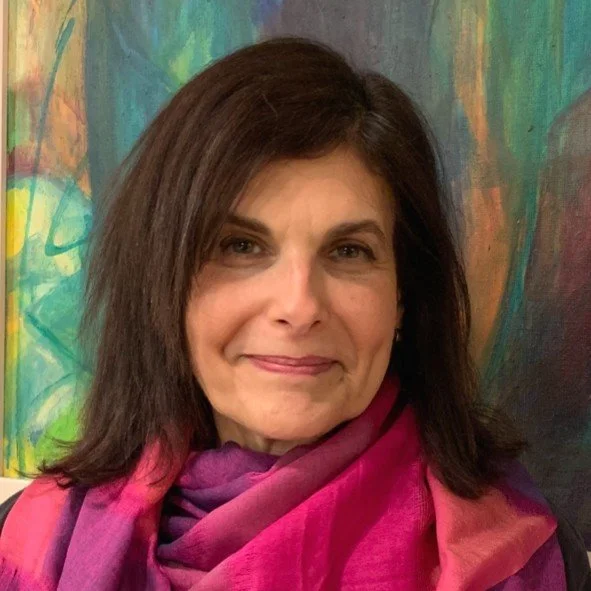
Today, we talk to Stacey Mihaly, who lives in Rhode Island and uses our virtual fitness classes on YouTube in addition to serving on the Power For Parkinson’s board, where she advises our organization in a Marketing and Development capacity. Stacey was diagnosed with PD in 2019 and had been participating in a Rocksteady Boxing program in Juno, Alaska when the pandemic hit. During that time, when many programs were operating remotely, she sought continued virtual fitness resources and was referred to Power for Parkinson’s through the APDA’s Northwest Chapter in Seattle, Washington.
“So I checked out the Power for Parkinson’s classes on YouTube and the rest is history,” says Mihaly. “I started taking those classes and, by that point, I was also taking boxing lessons here in Rhode Island, but there was something about PFP, with its evidenced-based approach and comprehensive nature that really drew me in.”
Mihaly says PFP stands out in the Parkinson’s fitness landscape for being free and having no barrier for entry.
“The fact that PFP takes all comers, that they don’t turn anyone away, makes me want to support it,” she says. “I’m fortunate. I’ve worked in healthcare my whole professional life, I have access to the best and the brightest. I’m a stone’s throw from a medical mecca in Boston, I have an entire care team, and I have the resources to go to Rocksteady Boxing. But what if I didn’t? What do people on limited incomes or people in remote areas have? Then you look at Power for Parkinson’s and say, Oh my God, look at what a resource this is for everybody. And it doesn't matter what color you are, what your socioeconomic status is or where you are in your journey. It doesn’t matter, nobody cares, and you don’t have to write a check. You don’t have to do anything – you just show up!"
“That, to me, is the most important thing. Especially now, when we’re looking at what the hell is happening to our entire healthcare system and with the cuts in resources and funding. Yes, we’re all hoping for a cure or the next breakthrough, but until that happens, there’s Power for Parkinson’s and I just feel so grateful for that. That’s why I volunteer my time to the organization and why I became a Dopamine Driver.”
For Mihaly, Dopamine Driver is an apt term.
“The word association, for me, is that the one thing all of us with Parkinson’s are losing is dopamine,” she says. “Dopamine is honestly the thing that makes it worth getting up in the morning and going on with your day. You don’t realize what you’ve got til it’s almost all gone. So I look at the term Dopamine Driver and it’s everything. It’s not just keeping people moving, it’s keeping the organization going.”
Keeping the organization going is an effort Mihaly says she’s proud to support because it is on-demand and can fit into the life of anyone with Parkinson’s.
“As a person with Parkinson’s, I’m so grateful it’s there. I feel like Power for Parkinson’s is always there. It can be there at 11 at night on a Saturday if you can’t sleep and need to stretch and everything is tense,” she explains. “My elevator pitch to all my friends is that you’re not locked in to any one thing. If you have 20 minutes, if you have an hour, if you want high intensity or light intensity, if you just want to stretch or be in a chair, it’s a one-size-fits-all organization that is perfect to me.”